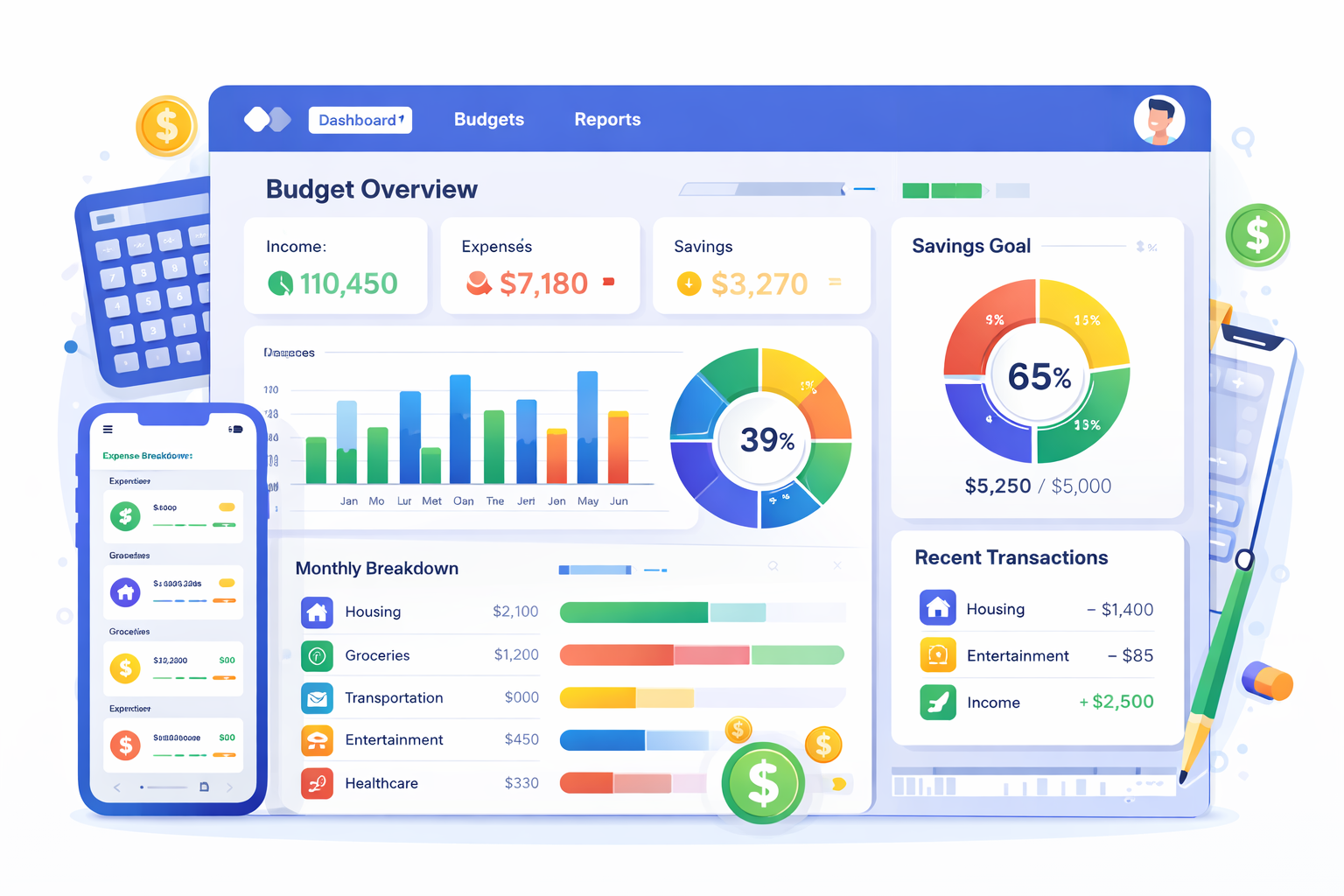

Personal finance is one of the most powerful skills you can learn in life. Whether you’re earning your first paycheck, building a family, planning for retirement, or simply trying to pay off debt, understanding how to manage money intelligently can dramatically impact your quality of life. This guide explores what personal finance is, why it matters, core principles, and practical strategies to help you achieve financial stability and long-term success.
What Is Personal Finance?
Personal finance refers to how an individual or household manages money, including earning, spending, saving, investing, and protecting financial resources. It encompasses everything from daily budgeting and debt repayment to long-term planning like retirement or buying a house. Effective personal finance means making decisions that help you meet your financial goals while minimizing stress and risk.
At its core, personal finance is about balance: you want to live comfortably today while also preparing for tomorrow. Without this balance, people can fall into damaging patterns like overspending, accumulating debt, or lacking savings when emergencies arise.
Why Personal Finance Matters
Understanding and applying personal finance principles is crucial for several reasons:
1. Financial Security and Stability
Good money management gives you a safety net during unexpected events such as job loss, medical emergencies, or sudden large expenses. Building financial resilience reduces stress and helps you stay in control of your life.
2. Achieving Life Goals
Whether you want to buy a home, travel, start a business, or retire early, personal finance planning helps you set realistic goals and map out a path to achieve them. Without a plan, these goals can remain distant dreams.
3. Reducing Debt and Costs
Poor financial habits often lead to high-interest debt, like credit card balances, which drain your money over time. Managing finances wisely helps you reduce liabilities and avoid unnecessary interest payments.
4. Building Wealth Over Time
Smart saving and investing allow your money to grow, especially when you start early and take advantage of compound interest — the principle that earnings generate more earnings. Over time, this can build significant wealth.
5. Improved Quality of Life
Financial health isn’t just about numbers — it affects mental and emotional well-being. Reducing money worries can lead to better health, less stress, and greater freedom in life decisions.
Core Components of Personal Finance
Personal finance is broad, but it generally includes five core areas:
1. Income
Income is the foundation of your financial world. It includes your salary, bonuses, interest, dividends, or revenue from side hustles. Knowing your total income helps you plan how much you can spend, save, or invest.
2. Spending
Spending includes all outflows of cash on necessities and discretionary costs. To achieve financial balance, it’s crucial that your spending doesn’t exceed your income.
3. Savings
Savings is money you set aside for future use — emergencies, goals, or big purchases. Most financial planners recommend building an emergency fund with at least 3–6 months of living expenses.
4. Investing
Investing differs from savings — it puts your money to work to generate returns. Stocks, mutual funds, bonds, real estate, and retirement accounts are common investment vehicles. Diversifying investments helps reduce risk and grow wealth over time.
5. Protection
Protection includes insurance and estate planning to guard against financial loss from illness, accidents, or death. This ensures your family and assets are secure.
Key Principles of Sound Personal Finance
Spend Less Than You Earn
This simple rule is the cornerstone of financial health: income must exceed spending. If expenses are higher than earnings, debt increases and financial goals get delayed.
Create and Follow a Budget
A budget helps you allocate your income wisely. One popular guideline is the 50/30/20 rule:
- 50% for needs (housing, food, utilities)
- 30% for wants (entertainment, dining out)
- 20% for savings and debt repayment
Pay Yourself First
Prioritize savings as soon as you receive income — treat savings like a fixed monthly expense. This boosts consistency and discipline.
Avoid High-Interest Debt
Debt can be useful, like a mortgage or student loan, but high-interest debt like credit cards can cripple finances. Pay it off quickly to save money in the long run.
Prepare for Emergencies
Unexpected events are inevitable. Building and maintaining an emergency fund prevents you from relying on credit when life throws curveballs.
Invest Early and Consistently
The earlier you start investing, the more time your money has to grow through compounding. Even small amounts invested regularly can accumulate substantially over decades.
Balance Risk and Reward
In investing, higher returns often mean higher risk. Diversify across different asset classes and align investments with your risk tolerance and goals.
Practical Strategies for Everyday Finance
Track Your Expenses
Awareness is the first step toward improvement. Record every income and expense for a month to understand your financial habits. Use budgeting apps or spreadsheets to simplify this process.
Use an Effective Budgeting Method
Pick a budgeting technique that works for you — whether the 50/30/20 rule, zero-based budgeting, or envelope systems — and adjust as needed.
Automate Finances
Automate savings, bill payments, and investments to make financial discipline easier and reduce human error.
Set SMART Financial Goals
Define Specific, Measurable, Achievable, Relevant, and Time-bound objectives (SMART). Whether saving for a vacation or buying a car, clear goals motivate consistent progress.
Review and Adjust Regularly
Life changes — so should your plan. Review your budget and goals periodically and adjust them based on evolving needs or circumstances.
Advanced Concepts: Financial Independence & FIRE
A popular movement in personal finance is FIRE (Financial Independence, Retire Early). It’s centered on aggressive saving and investing with the goal of reaching financial independence sooner than traditional retirement age. The typical strategy involves high savings rates and building a portfolio that can support living expenses indefinitely.
While FIRE isn’t for everyone, its emphasis on intentional living, disciplined saving, and long-term planning offers valuable lessons for anyone seeking financial freedom.
Avoiding Common Money Mistakes
Even with good intentions, people often fall into traps like:
- Lifestyle inflation — spending more as income increases.
- Impulse purchases — buying without planning.
- Ignoring insurance — risking financial loss from emergencies.
- Relying solely on one income source — lacking financial resilience.
Avoiding these pitfalls protects your progress and keeps your financial goals on track.
The Psychological Side of Money
Money management isn’t just math — it’s behavior. Emotional spending, peer pressure, fear of investing, or procrastination can undermine financial plans. Being aware of money psychology and cultivating discipline can transform your relationship with money for the better.
Final Thoughts
Mastering personal finance is a journey, not a destination. It requires education, patience, discipline, and adaptability. By implementing solid financial principles and practical strategies, you can build a secure financial future, reduce stress, and create more opportunities for yourself and your loved ones.
Start today — track your expenses, set clear goals, and take the first step toward financial freedom. Your future self will thank you.